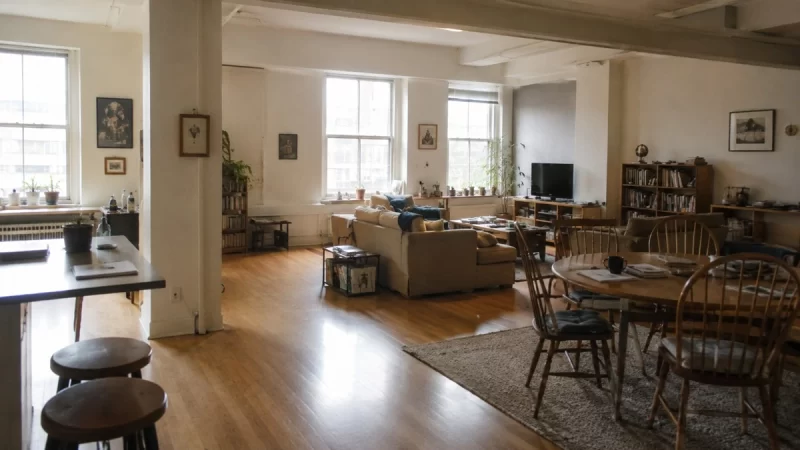
Lofts always sound like a dream until you’re standing in one with your furniture scattered around like it’s been dropped from a moving truck. One chair looks lonely in a corner. The sofa feels too small. The ceiling is somewhere in another timezone. It’s stylish, yes, but also slightly confusing when nothing tells you where to begin.
That’s the reality of loft decorating. You’re not working with rooms in the traditional sense. You’re working with volume. Light. Structure that already has a personality of its own. And if you ignore that, the space ends up feeling like a warehouse you accidentally moved into instead of a home you actually want to live in.

Understanding the Loft Aesthetic: Why It Feels So Different
Lofts usually come from repurposed buildings. Old factories. Warehouses. Industrial shells that were never originally meant for living. That history matters because it explains everything you see.
You’ll often get:
- High ceilings that feel almost exaggerated
- Exposed beams, pipes, and ductwork
- Brick walls that refuse to blend into the background
- Huge windows that flood the space with daylight
- Open floor layouts with almost no partitions
Honestly, it’s beautiful—but also slightly chaotic if you don’t shape it.
What makes loft design interesting is that the “structure” is already doing part of the decorating for you. You’re not hiding things. You’re responding to them.
The key shift is this: instead of decorating rooms, you’re designing zones inside one large canvas.
The Real Challenge: Open Space With No Instructions
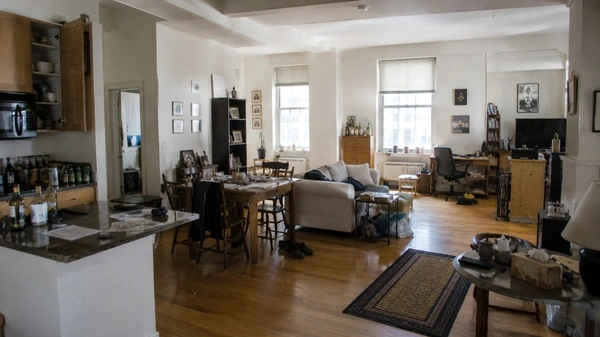
Most homes guide you. Walls say “this is the bedroom.” Doors say “this is the kitchen.”
Lofts don’t bother.
So people usually make three mistakes early on:
- Pushing everything against walls (leaving a dead center)
- Buying small furniture that disappears in the scale of the room
- Ignoring vertical space entirely
The result? A space that feels half-finished, even when it’s expensive and well-furnished.
The fix isn’t more furniture. It’s structure inside the openness.
Step 1: Let Color Do Less (On Purpose)
There’s a reason many lofts lean neutral. Not because it’s trendy, but because the space already has enough going on.
White, soft grey, warm beige. These tones let light move freely across the room.
But here’s where people go wrong: they assume neutral means boring.
It doesn’t.
It means controlled contrast.
Instead of painting every wall differently, think in terms of:
- One accent wall (brick, dark paint, or textured finish)
- Repeating tones across furniture
- Small color interruptions (art, cushions, rugs)
A good loft doesn’t shout with color. It whispers it in specific places.
And if your loft has massive windows, light becomes part of the palette too. Morning light will make everything feel soft. Evening light turns it cinematic. You don’t fight that. You design with it.

Step 2: Flooring That Anchors Everything
Carpet in a loft can feel like putting a blanket over architecture that already has personality.
Wood flooring works better because it stretches the visual field. It creates continuity across zones without breaking the flow.
Some practical approaches:
- Light oak for a clean, modern feel
- Dark walnut for contrast against white walls
- Grey-washed wood for an industrial tone that blends with metal and concrete
Rugs still matter, but they should define areas—not replace flooring identity.
Think of rugs as “soft borders” between zones. Not full coverage.
Step 3: Lighting That Doesn’t Pretend the Space Is Small
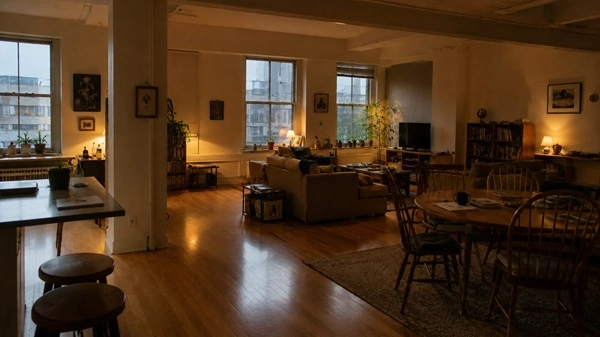
Lighting is where lofts either feel incredible or awkward.
The instinct is to place one central ceiling light. That’s usually a mistake.
Instead, think in clusters.
Try this approach:
- Pendant lights above the dining area
- A separate hanging fixture near the sofa
- Task lighting near the workspace
- Floor lamps to soften tall corners
And here’s something people often overlook: height variation.
If every light hangs at the same level, the room flattens visually. Different heights create rhythm. It pulls the eye across the space instead of locking it in one place.
Lofts don’t need uniform lighting. They need layered lighting.
Step 4: Zoning Without Walls (The Core Skill)
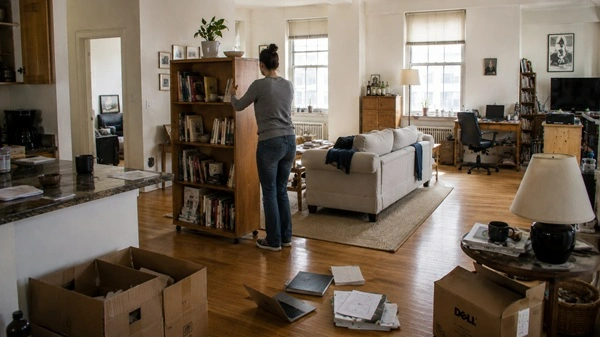
This is where loft decorating actually becomes interesting.
You’re not building rooms. You’re suggesting them.
Ways to create zones:
Furniture placement
A sofa can act like a wall. A bookshelf can separate living from dining without closing anything off.
Rugs
One rug per zone. Not one giant sheet trying to cover everything.
Open shelving
It divides space but keeps visibility. You still feel connected to the whole loft.
Curtains or suspended fabric
Useful if you want temporary privacy for sleeping areas without permanent partitions.
A typical loft might include:
- Living zone
- Dining area
- Bedroom corner
- Work setup
- Kitchen strip
The trick is making each one feel intentional without boxing anything in.
Step 5: Storage That Doesn’t Ruin the Aesthetic
Storage in a loft is tricky because clutter spreads fast in open spaces.
You need a mix of hidden and visible storage.
Practical options:
- Storage ottomans that double as seating
- Coffee tables with internal compartments
- Closed cabinets along one wall to reduce visual noise
- Open shelving for curated display only
A common mistake is overusing open storage. It looks good in photos, then slowly turns into visual overload in real life.
If something isn’t meant to be seen every day, it should have a door.
Simple rule. Saves a lot of regret.
Step 6: Furniture That Matches the Scale of the Room
Lofts punish undersized furniture.
A small sofa in a large loft looks like it’s waiting for backup.
Better approach:
- Choose fewer but larger pieces
- Prioritise grounded, heavy silhouettes
- Mix materials like wood, metal, and stone
- Avoid overly delicate designs unless used as accents
Industrial spaces handle contrast well. A leather sofa next to a steel table. A soft fabric chair near raw brick. That tension is what gives lofts personality.
You don’t need matching sets. Actually, matching sets often flatten the space.
Step 7: Workspaces That Don’t Feel Like Afterthoughts
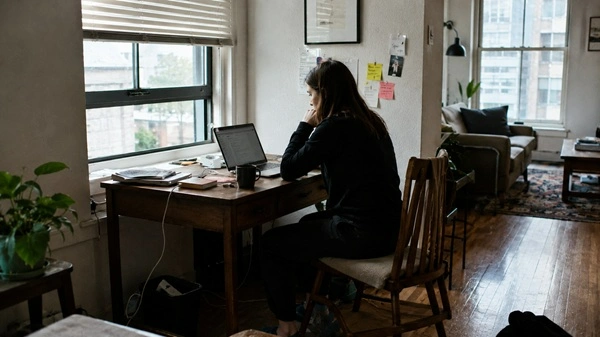
Lofts naturally lend themselves to creative corners, even if you’re not an “artist” in the romantic sense.
A decent workspace setup usually includes:
- Natural light (near a window if possible)
- A solid desk with enough surface area
- Storage for tools or devices
- A chair you can sit in for hours without shifting constantly
What matters most is separation. Even a small desk pushed into a corner feels better when it has its own identity.
You’re telling your brain: this is where focus happens.
Step 8: Windows That Stay Functional and Clean
Loft windows are usually dramatic. Floor-to-ceiling. Wide. Unmissable.
So heavy curtains tend to ruin them.
Better options:
- Roller shades in neutral tones
- Solar shades that reduce glare without blocking light completely
- Ceiling-mounted tracks for soft fabric panels
Keep treatments minimal. Not bare. Just controlled.
And avoid cluttering the top of the window frame. That’s where lofts lose their elegance fast.
Common Loft Decorating Mistakes
People don’t usually mess up lofts because they lack taste. They mess up because scale is deceptive.
Here are the usual suspects:
- Overdecorating vertical walls without purpose
- Ignoring acoustic issues (lofts can echo a lot)
- Using too many small decorative items
- Blocking natural light with heavy furniture
- Forgetting rugs altogether, which makes zones unclear
Fixing these doesn’t require a redesign. Just editing.
Lofts respond better to subtraction than addition.
FAQs: Real Questions People Ask About Loft Spaces
How do I make a loft feel cosy without closing it off?
Layer textiles. Rugs, throws, curtains, and upholstered furniture soften the industrial edges without blocking openness.
Can I mix modern and rustic styles in a loft?
Yes, and it usually works better than sticking to one style. The structure already mixes old and industrial, so furniture can follow that contrast.
What’s the biggest mistake in loft decorating?
Treating it like a standard apartment. Lofts don’t behave like boxed rooms. They need zoning, not separation.
Do I need expensive furniture for a loft?
Not really. Scale matters more than price. A well-chosen second-hand table can work better than a brand-new small piece that gets visually lost.
Bringing It All Together
A loft isn’t just a space you decorate. It’s a space you interpret. The structure is already doing half the storytelling. Your job is deciding what that story becomes when people walk in.
When zoning, lighting, and material choices work together, the loft stops feeling like one oversized room. It starts feeling like a collection of smaller, connected moments. Living, working, resting. All happening without visual clutter fighting for attention.
And once that balance clicks, the space stops feeling intimidating. It just feels open in a way that finally makes sense.
Final Thought
There’s always a temptation to “fill” a loft because the emptiness feels like something is missing. Usually, it’s not. It just needs definition, not density.
The best lofts don’t look finished in a traditional sense. They look lived in, adjusted over time, slightly imperfect in a way that feels honest. That’s what makes them work.
Give the space structure first. Then let personality build slowly around it.
Sources & References
- https://www.architecturaldigest.com/story/loft-design-ideas
- https://www.houzz.com/magazine/loft-style-design-tips-stsetivw-vs~135087
- https://www.dezeen.com/tag/interiors/
- https://www.elledecor.com/design-decorate/room-ideas/g3045/loft-apartment-ideas/
- https://www.thespruce.com/loft-style-decorating-ideas-4126425