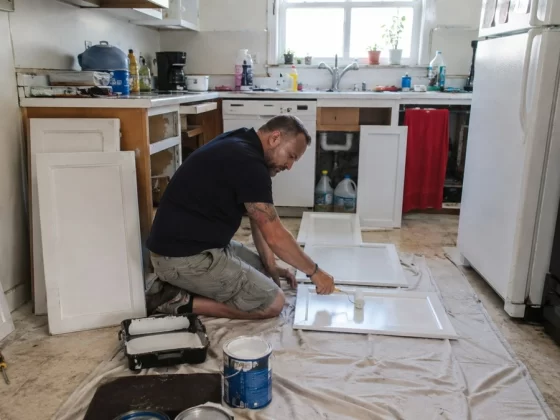
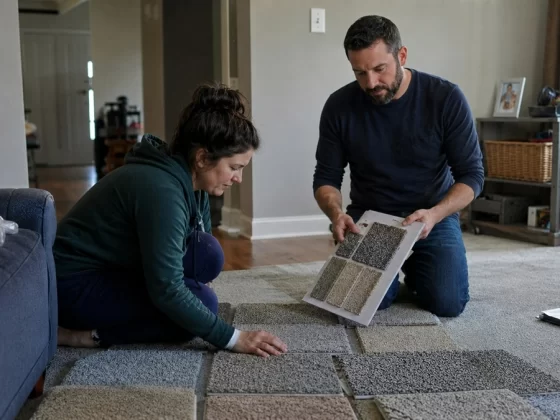
Home renovations have a way of starting with a simple idea and ending with a much larger bill than expected. A bathroom refresh turns into a plumbing upgrade. New kitchen cabinets suddenly require updated lighting, flooring, and appliances. Before long, a project that seemed manageable begins stretching both the budget and the timeline.
The challenge isn’t that home improvements are inherently expensive. It’s that many homeowners unknowingly spend money in places where they could save hundreds—or even thousands—without sacrificing quality. The most successful renovation projects aren’t always the ones with the biggest budgets. They’re the ones planned carefully, executed thoughtfully, and managed with a clear understanding of where costs can be controlled.
Whether you’re updating a single room, preparing a property for resale, or finally tackling a renovation that’s been on your to-do list for years, there are practical ways to reduce expenses while still achieving excellent results. The key is knowing where to cut costs and where investing a little more upfront can prevent costly mistakes later.
Here are five proven strategies that can help keep your next home improvement project on budget while delivering the results you want.

1. Hunt for Remnants, Clearance Stock, and Discontinued Materials
One of the easiest ways to save money during a renovation is to buy materials that retailers are eager to move out of inventory.
Many homeowners assume that every renovation requires ordering brand-new products at full retail price. In reality, home improvement stores, tile showrooms, stone fabricators, and plumbing suppliers often have high-quality materials available at significant discounts.
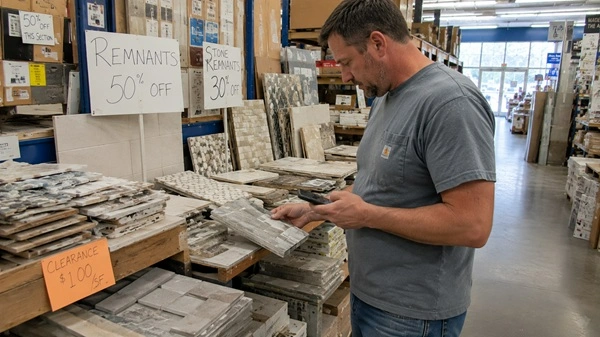
These products may include:
- Leftover stone slabs from larger projects
- Overstock tile collections
- Discontinued flooring lines
- Returned special-order items
- Excess cabinetry components
- Premium plumbing fixtures
- Paint mixed incorrectly for another customer
Because these products take up valuable warehouse or showroom space, retailers are often willing to sell them at deeply discounted prices.
Where the Biggest Savings Usually Happen
Stone fabricators frequently have leftover sections of granite, quartz, or marble from previous installations.
While these pieces may not be large enough for a full kitchen, they’re often perfect for:
- Bathroom vanities
- Laundry room counters
- Kitchen islands
- Wet bars
- Coffee stations
A remnant slab can cost a fraction of what a full slab would cost while delivering the exact same appearance and durability.
Tile showrooms can also be treasure troves for bargain hunters. A discontinued tile line may still have enough inventory available for a bathroom floor or backsplash project.
Important Precautions
Before purchasing discounted materials:
- Measure carefully.
- Confirm exact quantities available.
- Buy extra material when possible.
- Check for damage or defects.
- Verify return policies.
The biggest risk with clearance inventory is discovering you’re short halfway through the project. Once a discontinued product sells out, finding matching replacements can be nearly impossible.
Real-World Example
Imagine a homeowner planning a guest bathroom renovation.
A new quartz vanity top might cost $700 to $1,000 installed. A fabricator’s remnant piece from a larger project could provide the same premium look for several hundred dollars less.
Multiply savings like that across multiple renovation decisions and the impact becomes substantial.
2. Handle Demolition Yourself—If It’s Safe
Labor is one of the largest expenses in any renovation.
While some tasks require licensed professionals, demolition often doesn’t.
Removing old cabinets, flooring, trim, fixtures, or wall coverings yourself can significantly reduce project costs before contractors even arrive.
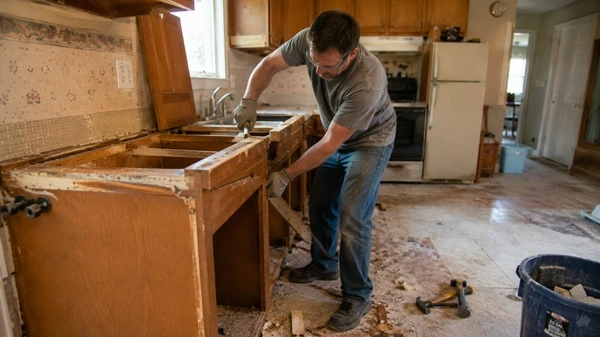
Many contractors charge not only for demolition labor but also for:
- Cleanup
- Transportation
- Dump fees
- Material disposal
- Additional project management time
Doing this work yourself can free up budget for higher-quality finishes or other upgrades.
Projects Homeowners Can Often Demolish Themselves
Depending on skill level and local regulations, homeowners frequently tackle:
- Carpet removal
- Laminate flooring removal
- Cabinet removal
- Baseboard removal
- Wallpaper stripping
- Vanity removal
- Tile demolition
- Drywall removal
Safety Comes First
Not every demolition project is suitable for DIY work.
Before starting:
- Turn off water supplies.
- Shut off electrical circuits.
- Wear gloves and eye protection.
- Use hearing protection when necessary.
- Cover nearby surfaces.
- Rent proper disposal containers.
Most importantly, be cautious in older homes.
Properties built decades ago may contain:
- Asbestos
- Lead-based paint
- Outdated wiring
- Hidden plumbing issues
If you’re unsure, consult professionals before swinging a sledgehammer.
The Time Versus Money Trade-Off
Demolition can be physically demanding.
You might spend an entire weekend removing old flooring that a professional crew could complete in a few hours.
The question becomes simple:
Would you rather invest your own time or pay someone else for theirs?
For many homeowners, the savings are worth the effort.

3. Invest in Quality and Hire the Right Professionals
This advice may seem counterintuitive in an article about saving money.
However, one of the most expensive mistakes homeowners make is trying to save too much.
Choosing the lowest bid or the cheapest materials can sometimes create far greater costs later.
A poorly installed shower, improperly laid tile floor, or low-quality fixture can require repairs, replacements, or complete reinstallation.
What looked like a bargain quickly becomes an expensive lesson.
Why Cheap Can Become Expensive
Certain renovation materials require specialized expertise.
Examples include:
- Natural stone installations
- Heated flooring systems
- Waterproof shower assemblies
- Custom cabinetry
- Quartz countertop fabrication
- Specialty tile layouts
A contractor unfamiliar with these systems may unintentionally create problems that aren’t immediately visible.
Months later, homeowners discover:
- Cracked tile
- Water damage
- Uneven flooring
- Mold growth
- Failed adhesives
- Structural issues
At that point, repairs often cost significantly more than doing the job correctly from the start.
Questions to Ask Before Hiring
When interviewing contractors, ask:
- How many similar projects have you completed?
- Can you provide recent references?
- Do you have photos of previous work?
- What warranties do you offer?
- Are permits required?
- What challenges do you anticipate?
Experienced professionals should be comfortable answering these questions.
Spend Strategically
Not every renovation element deserves a premium budget.
Prioritize spending on:
- Structural work
- Waterproofing
- Roofing
- Plumbing
- Electrical systems
- Windows
- High-use fixtures
Meanwhile, decorative elements can often be updated later if needed.
The goal isn’t spending more. It’s spending smarter.
4. Create a Detailed Plan and Stick to It
Scope creep is one of the biggest budget killers in home renovation.
It usually starts innocently.
You’re replacing countertops, then decide the cabinets should be upgraded too. Once new cabinets arrive, the lighting feels outdated. Then the flooring no longer matches.
Each individual decision may seem small.
Together, they can add thousands to the final bill.

Why Planning Saves Money
A detailed renovation plan helps homeowners:
- Set realistic budgets
- Avoid impulse purchases
- Compare contractor bids accurately
- Reduce project delays
- Prevent duplicate work
Without a clear plan, every decision becomes reactive.
With a plan, every dollar has a purpose.
Items Homeowners Frequently Forget
Many renovation budgets overlook smaller details that eventually add up.
Common examples include:
Hardware
- Cabinet handles
- Drawer pulls
- Door knobs
- Hinges
Lighting
- Ceiling fixtures
- Wall sconces
- Under-cabinet lighting
- Dimmer switches
Bathroom Accessories
- Towel bars
- Toilet paper holders
- Mirrors
- Soap dispensers
Finishing Details
- Baseboards
- Crown molding
- Window trim
- Caulking
- Paint touch-ups
These costs can easily reach hundreds or even thousands of dollars depending on the project.
Build a Contingency Fund
Even the best-planned renovation can encounter surprises.
Industry professionals commonly recommend reserving:
- 10% to 15% for newer homes
- 15% to 20% for older homes
Unexpected discoveries might include:
- Water damage
- Structural repairs
- Plumbing issues
- Electrical upgrades
A contingency fund helps absorb surprises without derailing the project.
Avoid Mid-Project Changes
Change orders are often expensive.
When contractors must alter plans after work begins, additional labor, materials, and scheduling adjustments can quickly increase costs.
The more decisions made before construction starts, the smoother—and cheaper—the project tends to be.
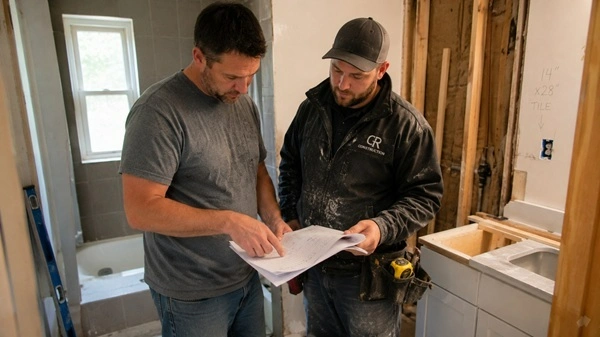
5. Communicate Clearly From Day One
Many renovation budget overruns happen because expectations aren’t clearly communicated.
Homeowners assume one thing.
Contractors assume another.
The result is confusion, delays, disputes, and unexpected expenses.
Clear communication is one of the simplest yet most effective cost-control tools available.
Be Honest About Your Budget
One common mistake is hiding budget limitations.
Some homeowners worry that revealing their budget will automatically lead to higher quotes.
In reality, reputable contractors and suppliers often use budget information to recommend appropriate solutions.
For example:
- Alternative materials
- Different fixture options
- Cost-saving design changes
- Phased renovation approaches
When professionals understand financial constraints upfront, they can help avoid costly surprises later.
Put Everything in Writing
Verbal agreements create room for misunderstandings.
Written documentation creates clarity.
Keep records of:
- Estimates
- Contracts
- Product selections
- Material specifications
- Change orders
- Payment schedules
- Completion timelines
Documentation protects everyone involved.
Review Every Quote Carefully
Don’t focus only on the final number.
Examine what’s included.
Questions worth asking include:
- Is demolition included?
- Are permits included?
- Who handles debris removal?
- Are fixtures included?
- What warranties apply?
Two estimates may appear similar but cover very different scopes of work.
Monitor Progress Throughout the Project
Communication shouldn’t stop after signing a contract.
Regular check-ins help identify issues early.
Address concerns immediately rather than waiting until the project is complete.
Small misunderstandings are easier—and cheaper—to resolve before they become major problems.
Common Home Renovation Mistakes That Waste Money
Even experienced homeowners occasionally make costly renovation decisions.
Avoiding these common mistakes can preserve your budget.
1. Starting Without a Detailed Budget
A vague estimate often leads to overspending.
Create a line-by-line budget before work begins.
2. Buying Materials Too Early
Storage damage, changing trends, and return deadlines can create unnecessary costs.
Purchase materials according to project timelines.
3. Ignoring Maintenance Costs
Some materials require ongoing upkeep.
Research long-term ownership costs before making selections.
4. Following Trends Blindly
Trendy features can become dated quickly.
Choose upgrades that balance style with lasting appeal.
5. Skipping Professional Advice
A consultation fee today may prevent thousands in mistakes tomorrow.
Frequently Asked Questions
How much should I budget for unexpected renovation costs?
Most experts recommend reserving 10% to 20% of your total project budget for unforeseen issues.
Is DIY renovation always cheaper?
Not necessarily. DIY saves labor costs, but mistakes can become expensive. Focus on projects that match your skills and comfort level.
Should I always choose the lowest contractor bid?
No. Compare experience, references, warranties, and project scope in addition to price.
What renovation projects offer the best value?
Kitchen updates, bathroom improvements, energy-efficient upgrades, fresh paint, and curb appeal enhancements often provide strong returns while improving daily living.
How can I reduce renovation costs without sacrificing quality?
Focus on smart purchasing, careful planning, selective DIY work, and hiring experienced professionals who can complete the work correctly the first time.
Renovating Smarter, Not Cheaper
Home improvement projects don’t have to drain your savings account. In many cases, the biggest financial wins come from thoughtful planning rather than dramatic budget cuts. Finding discounted materials, handling appropriate demolition work yourself, hiring qualified professionals, sticking to a clear plan, and maintaining open communication can dramatically reduce costs while protecting the quality of the finished project.
The most successful renovations are rarely the ones with unlimited budgets. They’re the projects where every dollar serves a purpose. By approaching renovations strategically and avoiding common pitfalls, homeowners can create beautiful, functional spaces without the stress of constant budget overruns. A well-managed project not only improves the home itself but also provides peace of mind throughout the process.
Sources and References
- U.S. Department of Energy – Home Improvement and Energy Efficiency Guidance: https://www.energy.gov
- National Association of Home Builders (NAHB): https://www.nahb.org
- Consumer Financial Protection Bureau – Budgeting for Home Projects: https://www.consumerfinance.gov
- This Old House Renovation Resources: https://www.thisoldhouse.com
- Remodeling Industry Cost and Value Reports: https://www.remodeling.hw.net