Honestly, nobody wakes up excited to deal with a door that swells every time it rains or peels like old paint. It just becomes one of those small annoyances you stop noticing… until you’re sanding or repainting it. That’s usually the moment people start looking at vinyl screen doors a bit differently.
What makes them interesting isn’t hype or trends. It’s the simple fact that they remove a lot of the routine maintenance that comes with wood. And modern versions don’t look like the cheap plastic panels people used to associate with vinyl. Done right, they can sit in a home quietly for years without asking for much in return.

Why Vinyl Screen Doors Keep Replacing Traditional Options
Vinyl used to sit in the “budget compromise” category. That’s changed. Manufacturing has improved, structural cores are stronger, and surface detailing is far more refined. In 2026, you’ll even find vinyl doors that homeowners mistake for painted wood at first glance.
The appeal is not just visual. It’s practical.
1. They Look Like Wood Without Behaving Like It
This is usually the first surprise.
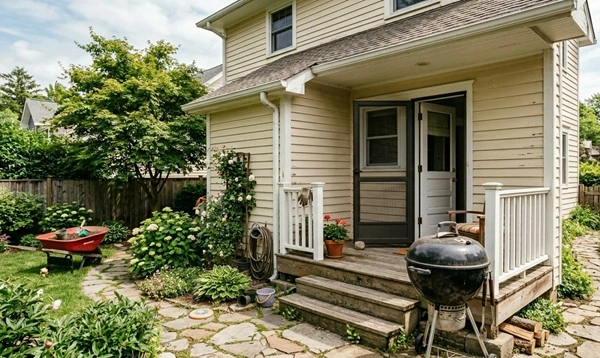
Higher-quality vinyl screen doors are built with layered construction and textured finishes that mimic wood grain. Some even include molded panel designs that replicate traditional carpentry styles.
Common design features include:
- Raised or recessed decorative panels
- Simulated wood grain texture
- Matte painted finishes (white, black, beige tones)
- Trim detailing that resembles classic wood framing
From a normal viewing distance, most people won’t notice it’s vinyl. And more importantly, it stays consistent over time, which wood often doesn’t.
Cheap versions still exist, though. They tend to look overly smooth or slightly “plastic,” so quality matters more than people expect.
2. Lower Cost Without Cutting Too Many Corners
Vinyl screen doors are generally more affordable than solid wood alternatives, and that difference adds up quickly if you’re upgrading multiple entry points.
Typical 2026 pricing looks roughly like this:
- Basic vinyl screen doors: $60–$130
- Solid-core mid-range models: $130–$300
- Premium decorative designs: $300–$500+
Wood doors, especially hardwood, can easily exceed those ranges once finishing and protective treatments are included.
What you’re really paying for with vinyl isn’t just the door itself. It’s the reduced long-term maintenance cost.

3. Low Maintenance Is the Real Selling Point
This is where vinyl quietly wins.
Wood doors need ongoing care:
- Sanding and repainting
- Weather sealing
- Fixing warping or moisture damage
- Periodic refinishing every few years
Vinyl changes that routine entirely.
With vinyl screen doors, maintenance usually comes down to:
- Wiping down dirt or dust
- Checking screws and hinges once in a while
- Replacing the screen mesh if it tears
That’s it. No repaint cycles. No sealing schedule. No moisture panic after heavy rain.
Vinyl also handles environmental shifts better. It doesn’t expand and contract as aggressively as wood, which means fewer alignment issues over time.
Solid-Core vs Hollow-Core Vinyl Doors (This Matters More Than People Think)
Not all vinyl doors are built the same, and this is where buyers often get caught out.
Solid-Core Vinyl Doors
These are the better long-term options.
- Heavier and more stable
- Can usually be trimmed for fit adjustments
- More resistant to dents and impact
- Better overall durability
Hollow-Core Vinyl Doors
Cheaper, but with trade-offs.
- Lightweight and easier to install
- Less structural strength
- Limited adjustment options
- More prone to flexing over time
If the door is going into a high-use entryway, solid-core is usually the safer choice.
Installing a Vinyl Screen Door Without Overthinking It
Installation isn’t complicated, but accuracy matters more than force. Most issues come from rushed measurements or misaligned hinges, not the door itself.
Step 1: Measure Carefully
Take multiple measurements:
- Top, middle, and bottom width
- Left and right height
If numbers vary slightly, the frame may not be perfectly square. That’s normal in older homes.
Step 2: Match the Door Size
Pick the closest available size. Solid-core vinyl doors can usually be trimmed slightly if needed.
Step 3: Decide Swing Direction
Left or right opening depends on how you naturally approach the door. This is one of those details that feels minor until you live with it daily.
Step 4: Attach Hinges First
- Mark hinge positions
- Drill pilot holes if needed
- Secure hinges to the door
Skipping pilot holes often leads to cracking or misalignment.
Step 5: Align With the Frame
Hold the door in position and check spacing on all sides before fully securing it. Small gaps matter for smooth movement.
Step 6: Secure and Test Movement
Tighten screws gradually. Test opening and closing several times before final tightening.
Step 7: Add Hardware
Depending on your setup:
- Handle or latch
- Hydraulic closer (prevents slamming)
- Magnetic or latch upgrades
Where Vinyl Makes Sense (And Where It Doesn’t)
Vinyl isn’t a universal upgrade. It just fits certain situations really well.
Good fit if you:
- Want low maintenance
- Live in humid or rainy conditions
- Are replacing worn-out wood doors
- Prefer predictable long-term performance
- Want a budget-friendly upgrade
Not ideal if you:
- Own a historic or heritage-style home
- Want frequent repainting or restyling options
- Prefer natural wood grain authenticity
- Are restoring original architectural details
One limitation worth noting: vinyl is difficult to repaint properly. It’s not impossible, but results vary and usually don’t hold up like wood finishes.
Design Choices That Actually Improve the Look
Small decisions can change how “cheap” or “high-end” a vinyl door feels.
A few practical upgrades:
- Use matte finishes instead of glossy surfaces
- Match door color with trim or siding
- Choose darker hardware for contrast
- Add a quality door closer for smoother movement
- Keep the screen tight and properly tensioned
These details matter more than people expect. Especially the hardware.
Maintenance: What You’ll Actually Be Doing
This is refreshingly simple compared to wood.
Every few months:
- Light cleaning with soap and water
- Quick hinge check
Once a year:
- Tighten screws
- Lubricate moving parts
- Inspect screen condition
No sanding. No repainting schedule. No sealing routine.
What’s Changing in 2026
A few noticeable improvements have entered the market recently:
- Better UV-resistant coatings to prevent fading
- Increased use of recycled vinyl materials
- Stronger internal reinforcement even in mid-range models
- Magnetic closure systems are becoming more common
- Improved texture molding for a more realistic wood appearance
Manufacturers are clearly pushing toward longer-lasting, lower-maintenance designs.
Vinyl screen doors don’t try to be dramatic. They’re not a design statement piece. They’re more like a practical fix for a recurring annoyance.
If you’re dealing with peeling paint, swelling wood, or constant upkeep, vinyl removes most of that cycle. It won’t replace wood in every situation, especially in older or highly styled homes, but for modern houses or functional upgrades, it fits cleanly without much fuss.
The main shift here is simple: less maintenance, more consistency, fewer surprises over time.
Bottom Line
If you want a door you install once and mostly forget about, solid-core vinyl is the safer bet.
If you prefer traditional materials and don’t mind upkeep, wood still has its place. It just comes with a different kind of commitment.