Beds are weirdly easy to get wrong, especially when you don’t really know how to choose a bed in a way that actually fits your body and your life. You walk into a store, lie down for a few seconds, think “yeah, this feels fine,” and suddenly you’re spending hundreds or thousands on something you’ll use every single night. Then a few months later, your back starts complaining, or the frame creaks, or the mattress just feels off in a way you didn’t notice in the showroom.
The problem isn’t effort. Most people do try. The problem is that buying a bed looks simple on the surface, but it gets complicated fast once you factor in size, materials, sleep style, room layout, and long-term comfort. That’s where most regret comes from. Not a bad bed, just a mismatched one.
This guide on How to Choose a Bed is meant to slow that decision down and make it clearer. Not overwhelming. Just practical, grounded, and based on what actually matters when you’re trying to sleep better instead of guessing in a showroom.

Why Most People Regret Their Bed Purchase
Regret usually doesn’t show up on day one. It creeps in.
People often assume comfort is immediate. But beds behave differently after repeated use. A mattress that feels soft in a store can become too soft after a month. A firm mattress can start feeling better only after your body adjusts, or worse, stay uncomfortable.

Here are the most common reasons people end up regretting their bed:
- They tested it for less than 10 minutes in a store
- They ignored sleep position (side, back, stomach)
- They didn’t measure their room properly
- They chose style over function
- They underestimated mattress break-in periods
- They bought a size that doesn’t fit their lifestyle
According to sleep research summaries from the Sleep Foundation, mattress comfort and support significantly impact sleep quality and spinal alignment over time, not just immediately after purchase
That’s why How to Choose a Bed is less about “what feels good right now” and more about “what still feels good in six months.”
Step 1: Start With Your Sleep Style (This Matters More Than You Think)
Before you look at brands or prices, you need to understand how you sleep.
Most people skip this and regret it later.
Back sleepers
- Need medium-firm support
- Too soft = lower back sinks
- Too firm = pressure points
Side sleepers
- Need a softer surface for shoulders and hips
- Pressure relief is key
- Memory foam often works well
Stomach sleepers
- Usually need a firm mattress
- Prevents the spine from arching unnaturally
Mixed sleepers
- Medium-firm is usually safest
- Responsiveness matters more than plush feel
A simple test: think about how you wake up. If you often feel stiff in one area, your current setup is probably not aligned with your sleep position.
This is the foundation of choosing a bed properly. Everything else builds on it.
Step 2: Bed Size Isn’t Just About Space
People think bed size is a room decision. It’s actually a lifestyle decision.
Here’s a simple breakdown:
A common mistake is choosing based on “what fits right now” instead of “what fits your life in 2–5 years.”
For example:
- Couples often regret going too small
- Students often regret going too big for small apartments
- People underestimate how much space pets take up in bed
Choosing the best bed means thinking beyond the floor plan and into daily habits.
Step 3: Mattress Type (Where Most Confusion Happens)
This is where decision fatigue usually kicks in.
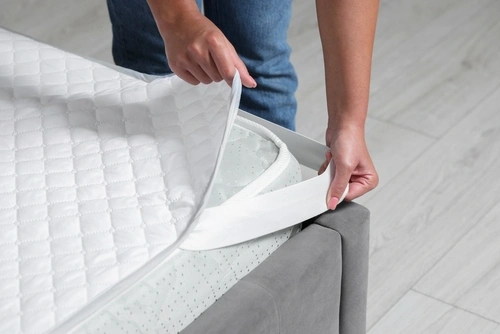
Here’s a simple breakdown:
Memory Foam
- Good pressure relief
- Can trap heat
- Good for side sleepers
Innerspring
- More bounce and airflow
- Less contouring
- Traditional feel
Hybrid
- Combination of foam + springs
- Balanced support and comfort
- Usually more expensive
Latex
- Durable and responsive
- Naturally cooler
- Higher price range
A study published in the Journal of Chiropractic Medicine found medium-firm mattresses often provide better comfort and spinal alignment for people with lower back pain compared to very firm or very soft options
That doesn’t mean medium-firm is perfect for everyone. It just means extremes are where most regret happens.
Step 4: Bed Frame Matters More Than People Think
People focus on mattresses and forget the frame. That’s a mistake.
A bad frame can:
- create noise
- Reduce mattress lifespan
- cause uneven support
- make sleeping feel unstable
Common frame types:
- Platform beds: no box spring needed, stable
- Slatted frames: good airflow, depends on slat spacing
- Storage beds: practical but heavier and less flexible
If the frame is weak or poorly built, even a good mattress won’t feel right.
Step 5: Budget Reality (What People Don’t Tell You)
Let’s be honest. Cheap beds exist. But they often cost more later.
Here’s a realistic breakdown:
- Budget beds: 150–400 USD equivalent
- Mid-range: 400–1200 USD
- Premium: 1200 USD and up
The issue isn’t price alone. It’s durability.
A low-cost mattress might feel fine for 6 months and then lose support. That’s where regret starts.
How to Choose a Bed also means understanding long-term cost per year, not just the upfront price.
Step 6: Test It the Right Way (Not Like Most People Do)
Most people lie down for a few seconds. That’s useless.
Instead:
- Lie down for at least 10–15 minutes
- Try your actual sleeping position
- Roll slightly to test movement
- Sit on edges (edge support matters)
- Pay attention to pressure points
If you feel unsure in the first 5 minutes, that feeling usually doesn’t disappear later.
Step 7: Room Layout and Real-Life Movement
This part gets ignored constantly.
Ask yourself:
- Can you open drawers fully?
- Is there walking space on both sides?
- Will doors or wardrobes hit the bed?
- Does the bed visually overpower the room?
A bed that fits physically but not practically becomes frustrating very quickly.
This is one of those silent regret triggers.
Step 8: Durability and Materials (Long-Term Thinking)
Good beds are built for years, not months.
Check:
- frame material (solid wood vs particle board)
- mattress warranty length
- foam density (for foam mattresses)
- coil count (for spring mattresses)
Industry guides often suggest looking at warranties of 7–10 years as a baseline indicator of durability, though this varies by brand
Common Mistakes When Learning How to Choose a Bed
- Buying based on looks alone
- Ignoring sleep position
- Choosing wrong firmness
- Not checking return policy
- Overlooking mattress height
- Forgetting partner preference differences
One real example: a couple buys a soft mattress because it “feels cozy” in-store. After two months, one partner develops back pain because the mattress sinks too much in the middle. They end up replacing it entirely.
That kind of situation is extremely common.
FAQs
How long should a good bed last?
Typically 7–10 years for a mattress, depending on quality and usage.
Is a more expensive bed always better?
Not always. Higher price usually improves durability and materials, but comfort still depends on personal fit.
What firmness is best for most people?
Medium-firm is often the safest starting point.
Should I buy mattress and frame together?
Yes, if possible. They’re designed to work together in most setups.
Conclusion
Choosing a bed is rarely just a purchase. It becomes part of your daily routine, your sleep quality, and honestly, your mood. Most regret comes from rushing the decision or focusing on the wrong detail at the wrong time. Once you slow it down and break it into sleep style, size, materials, and long-term use, the decision becomes much clearer.
The key idea is simple. A good bed is not the one that feels best for five minutes in a showroom. It’s the one that still feels right after months of real use. That’s where most people go wrong, and that’s where this guide tries to help.
If you take anything from this, let it be this: How to Choose a Bed is really about matching your sleep habits with long-term comfort, not short-term comfort tricks.